The Most Significant Challenges in Managing Engineering Production Documentation and How to Overcome Them
At Document Logistix, we are fully aware of the stringent demands placed on engineering companies, administrative, regulatory and competitively. Here we list some of the challenges we have worked to solve. If you are looking for an engineering production management solution, we invite you to discover more on our Solutions page.
Managing engineering documentation involves significant challenges, given the complexity and regulatory demands of the industry. Here are some the most common challenges.
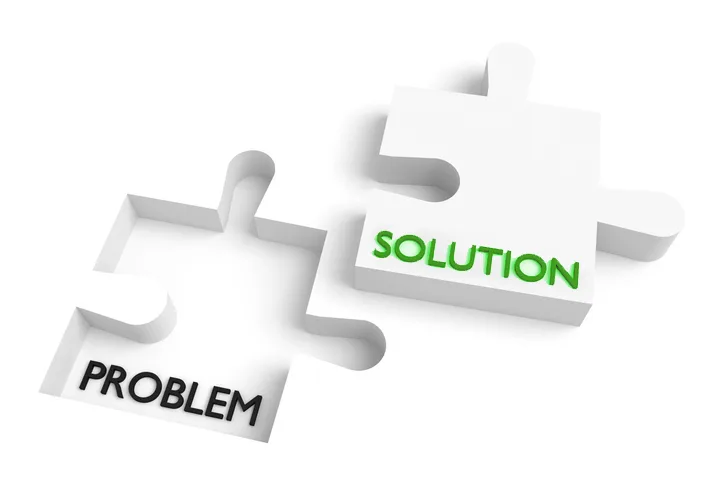
Engineering production management administration – 8 challenges
1. Version Control and Document Accuracy
- Problem
Engineering processes often evolve, requiring frequent updates to documents like blueprints, standard operating procedures (SOPs) and technical specifications. Ensuring that employees are working with the most current version of a document is critical. - Impact
Using outdated documents can lead to production errors, non-compliance with regulations, and costly rework. - Solution
Look into centralised document management systems with built-in version control.
2. Regulatory Compliance
- Problem
The engineering industry is heavily regulated, particularly in sectors like automotive, aerospace and pharmaceuticals. Ensuring documentation meets industry standards (e.g., ISO, FDA, OSHA, GDPR) and is audit-ready is a constant challenge. - Impact
Non-compliance can result in fines, product recalls and damaged reputation, as well as potential legal liabilities. - Solution
Select a secure, centralised digital admin system with audit trails that automatically retains and purges data.
3. Data Security and Confidentiality
- Problem
Engineering companies handle sensitive intellectual property (IP) like product designs, proprietary processes and trade secrets. Keeping this information secure, both in storage and transmission, is critical. - Impact
Data breaches or leaks can result in loss of competitive advantage, legal challenges, and reputational damage. - Solution
Select an admin system with encryption, redaction tools and permission-based access.
4. Accessibility and Collaboration
- Problem
Engineering documentation is often spread across departments and geographic locations, leading to accessibility issues. Ensuring that the right people have access to the right documents at the right time can be complex. - Impact
Poor document access can slow down production, hinder decision-making, and create bottlenecks in product development and supply chain coordination. - Solution
Ensure your production admin system facilitates secure remote access to always up-to-date information.
5. Document Retention and Retrieval
- Problem
Engineering companies must retain records for long periods to comply with regulations or ensure traceability of products. Organising, indexing and retrieving archived documents quickly can be cumbersome, especially when dealing with large volumes of paperwork. - Impact
Slow retrieval times can delay production, increase operational costs and make it difficult to respond to audits or customer enquiries. - Solution
Use an admin system with auto-indexing and automated document routing.
6. Change Management and Traceability
- Problem
Managing changes to documents in real-time, especially for ongoing production lines, is difficult. Each change must be tracked, logged and communicated across multiple teams to ensure consistency. - Impact
Poor change management can lead to quality issues, increased waste, and production slowdowns. In regulated industries, failure to track changes can also lead to non-compliance. - Solution
Deploy a production admin system that keeps an audit trail of document changes and stores all relevant traceability data, from raw material to disposal and destruction tracking.
7. Integration with Other Systems
- Problem
Engineering documentation often needs to integrate with other enterprise systems such as ERP (Enterprise Resource Planning), PLM (Product Lifecycle Management) and quality management systems. Ensuring seamless integration across these platforms can be challenging. - Impact
Lack of integration can create data silos, inefficiencies in workflow and increased manual work, leading to higher chances of human error. - Solution
Make it a high priority to select a production admin system that integrates with your installed systems and leading platforms.
8. Paper vs Digital Systems
- Problem
Many engineering firms still rely on paper-based documentation systems, making it difficult to streamline processes, manage updates and maintain accuracy. Transitioning from paper to digital systems can be a daunting task owing to the volume of existing documents. - Impact
Paper systems are prone to damage, loss and human error, which can slow down processes, increase costs and introduce compliance risks. - Solution
Work with a technology partner who can help you with digital transformation, including the digitisation of legacy records.
Summary: Engineering Production Management and Administration
Effectively managing engineering production documentation requires careful planning, the right tools and strong governance to mitigate significant challenges, improve operational efficiency and assure compliance. Centralised information, security, access and, above all, digitisation are key to success.
You are welcome to book a call with an engineering sector digital document management expert
Q&A on Implementing Engineering Document Management
1. What is Engineering Document Management (EDM)?
Q: Why is EDM important for engineering teams?
A: EDM systems streamline the storage, retrieval and management of critical engineering documents, ensuring efficient collaboration, regulatory compliance and data security. They eliminate paper trails and reduce errors caused by outdated or mismanaged documents.
2. Key Features of EDM Systems
Q: What features should an EDM system have?
A: Look for:
– Version control to manage revisions.
– Secure access permissions.
– Workflow automation for approvals and reviews.
– CAD integration for design files.
– Searchability to locate documents quickly
– Audit trails to maintain accountability.
3. Steps to Implement Engineering Document Management
Q: What are the key steps for successful implementation?
A:
- Assess Needs
Understand your team’s specific requirements (e.g., CAD integration, collaboration). - Select a System
Choose a system tailored for engineering, like Document Manager. - Data Preparation
Organise and clean existing documents for migration. - Training
Train users on system features and workflows. - Pilot Deployment
Test the system with a small team before full rollout. - Full Deployment Gradually roll out across the organisation, monitoring progress and addressing issues.
4. Overcoming Challenges
Q: How do we manage large-scale document migration?
A:
- Use a phased approach to minimise downtime.
- Employ data migration tools or hire specialists for high-volume back-scanning.
- Validate data post-migration to ensure accuracy.
5. Data Security in Engineering Document Management
Q: How can we ensure our engineering documents are secure?
A:
- Implement role-based access controls.
- Use encryption for data in transit and at rest.
- Regularly audit system activity through logs.
- Back up data to protect against unexpected loss.
6. Integration with Existing Tools
Q: Can EDM systems integrate with our existing software?
A: Yes, many EDM platforms support integrations with engineering tools (e.g., CAD systems like AutoCAD) and project management software (e.g., MS Project, Jira). Check the compatibility of your EDM system before purchasing.
7. Measuring Success
Q: How do we measure the success of EDM implementation?
A:
- User Adoption Rate
Track the percentage of users actively using the system. - Document Retrieval Time
Measure time saved locating documents. - Error Reduction
Monitor reductions in issues caused by outdated or misfiled documents. - Compliance Improvements
Evaluate adherence to regulatory standards.
8. Costs and ROI
Q: What is the typical cost of implementing EDM, and how do we justify it?
A: Costs vary based on system complexity, user base, and features but typically include licensing, training and migration costs. ROI can be demonstrated by:
- Reduced administrative overhead.
- Fewer compliance penalties.
- Increased productivity and faster project completion.
9. Choosing an EDM Vendor
Q: What questions should we ask vendors before purchasing?
A:
- Does the system integrate with our CAD and project management tools?
- What is the system’s scalability for growing teams?
- What support and training are included?
- Can the system handle our regulatory compliance requirements?
- What is the downtime for system maintenance or updates?