
The Overlooked System Behind High-Performing IT Operations
When people think about successful IT departments, they usually focus on cloud infrastructure, cybersecurity platforms, automation tools or DevOps workflows. Documentation rarely enters the conversation.
Yet every stable IT environment depends on accurate records, controlled processes and accessible operational knowledge. Configuration files, policy documents, access permissions, audit records and deployment procedures quietly support the systems businesses rely on every day.
For IT production teams, effective document management is not simply administrative housekeeping. It is a critical operational function that directly affects security, compliance, uptime and efficiency.
Document management software helps IT teams improve operational control by centralising documentation, enforcing version control, supporting compliance and strengthening security. Modern IT departments rely on structured document management systems to reduce risk, improve audit readiness and maintain efficient day-to-day operations.
According to Josh Baterip:
“Operational risk in IT rarely comes from a lack of technical skill. It comes from fragmented information, outdated procedures, uncontrolled versions or missing audit trails. When information is scattered, control slips. Document management software restores control to the IT department.”
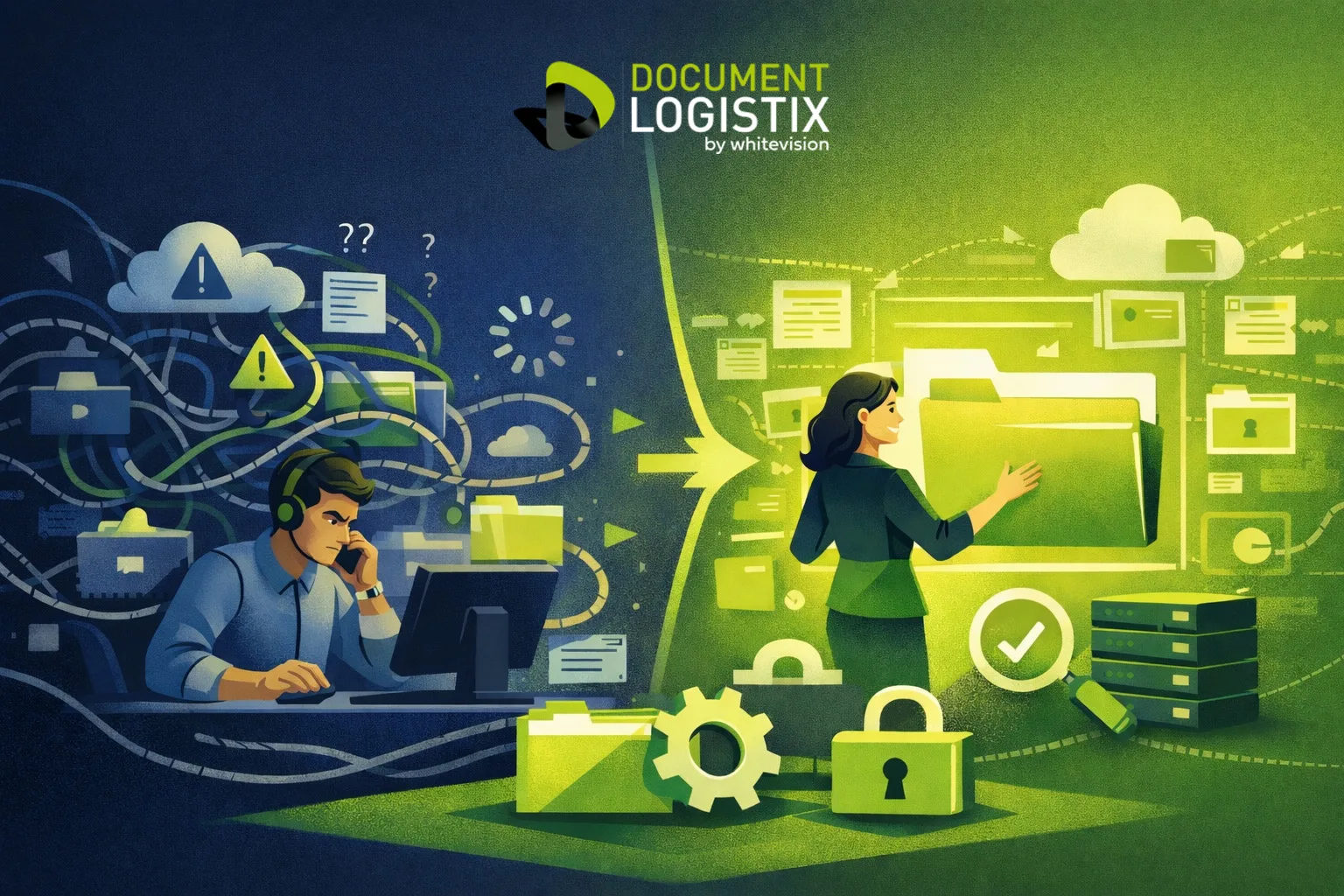
The Growing Complexity Facing IT Production Managers
Modern IT Production Managers are responsible for far more than maintaining systems.
Their day-to-day responsibilities often include:
- Coordinating software releases
- Managing access permissions
- Supporting compliance audits
- Handling incident response
- Maintaining operational continuity
- Enforcing governance procedures
- Improving internal workflows
- Supporting cybersecurity initiatives
Each responsibility relies heavily on accurate and accessible documentation.
Without structured information management, teams waste valuable time searching for files, validating versions or confirming approvals. In high-pressure IT environments, even small delays can create operational risk.
A well-designed document management system helps centralise information, standardise processes and reduce uncertainty across the entire IT function.
How Poor Document Control Creates Operational Risk
Documentation problems rarely appear overnight. Most issues develop gradually through inconsistent processes and uncontrolled file management.
Common examples include:
- Outdated deployment guides remaining in circulation
- Shared spreadsheets containing inaccurate user access data
- Multiple versions of policies stored across disconnected drives
- Missing approval records for infrastructure changes
- Unclear ownership of operational documents
Individually, these may seem minor. Collectively, they can expose organisations to serious operational and compliance risks.
Security Vulnerabilities
Without centralised document control, sensitive information can become widely accessible without proper oversight. IT teams may struggle to track:
- Who viewed a document
- Who edited critical files
- Which version was approved
- When changes were made
In the event of a security incident or regulatory investigation, incomplete audit trails can significantly complicate recovery efforts.
Operational Inconsistency
Production environments rely on precision and repeatability. If engineers reference outdated procedures or conflicting configuration notes, mistakes become more likely.
Incorrect deployments, failed changes and prolonged outages are often linked to poor information governance rather than technical shortcomings.
Compliance and Audit Challenges
Regulatory frameworks increasingly demand structured evidence and documented accountability. Auditors expect organisations to demonstrate:
- Version histories
- Approval workflows
- Access controls
- Retention policies
- Change management records
Manual document tracking creates unnecessary pressure and increases the likelihood of missing evidence during audits.
How Document Management Software Improves IT Governance
Document management software introduces structure, visibility and accountability into complex IT environments.
Rather than adding bureaucracy, it simplifies document handling by creating consistent and reliable processes.
Strong document governance also supports internationally recognised information security management standards such as ISO/IEC 27001.
Centralised Information Access
A central repository provides IT teams with a single source of truth for operational documents.
Benefits include:
- Faster document retrieval
- Reduced duplication
- Improved collaboration
- Easier knowledge sharing
- Greater confidence in document accuracy
When teams can quickly access the correct information, operational decisions become faster and more reliable.
Version Control and Change Tracking
Version control is one of the most valuable features of enterprise document management systems.
Structured versioning ensures:
- Only approved documents are actively used
- Historical versions remain accessible for reference
- Changes are fully traceable
- Approval workflows are enforced consistently
During incidents or audits, this level of transparency becomes extremely valuable.
Role-Based Access Control
Modern document management platforms allow organisations to assign permissions based on user roles.
This helps IT departments:
- Protect sensitive operational data
- Restrict unnecessary access
- Improve internal governance
- Strengthen cybersecurity practices
- Maintain clearer audit trails
Controlled access significantly reduces the risk of accidental exposure or unauthorised document changes.
Automated Retention Policies
Retention automation helps organisations manage records responsibly by ensuring documents are retained for the correct period and securely removed when appropriate.
This supports both regulatory compliance and data minimisation strategies.
Improving IT Efficiency and Operational Performance
The benefits of document management software extend beyond governance and compliance.
Structured document control also improves operational efficiency across IT teams.
Faster Information Retrieval
IT professionals frequently lose time searching through fragmented file systems, email chains and outdated shared folders.
A searchable document management platform reduces this inefficiency by allowing teams to locate critical information quickly and accurately.
Even modest improvements in retrieval speed can create measurable productivity gains across large technical teams.
Better Incident Response
When incidents occur, teams need immediate access to:
- Runbooks
- Escalation procedures
- Recovery documentation
- System configurations
- Historical change records
Centralised documentation improves response times and helps reduce operational disruption.
Smarter Process Optimisation
Document management systems provide visibility into operational history, making it easier to identify patterns, recurring issues and process bottlenecks.
Production Managers can review:
- Previous changes
- Incident trends
- Approval workflows
- Operational adjustments over time
This historical insight supports more informed decision-making and continuous improvement.
Strengthening Audit Readiness and Compliance
Many organisations still treat audits as disruptive, resource-heavy events.
However, businesses with mature document management processes experience audits very differently.
Because records, approvals and access histories are already organised, evidence gathering becomes far simpler and less stressful.
As Josh Baterip explains:
“When document control is embedded into everyday operations, audits stop feeling like something to survive. They become confirmation that the processes are working as intended.”
Strong audit readiness improves both regulatory confidence and internal governance standards.
Supporting Scalable Growth in IT Environments
As organisations grow through digital transformation, acquisitions or expanded service delivery, documentation requirements become increasingly complex.
New systems, teams and workflows introduce additional governance challenges.
Without a scalable document management framework, organisations often experience:
- Inconsistent processes
- Fragmented knowledge
- Reduced operational visibility
- Increased compliance risk
- Slower onboarding
Document management software creates a structured foundation that supports sustainable growth.
Standardised templates, controlled workflows and unified governance models help organisations scale without losing operational control.
The Human Impact of Reliable Document Management
Beyond compliance and efficiency, document management has a direct impact on the people responsible for maintaining critical systems.
IT Production Managers operate under constant pressure to prevent downtime, maintain security and support business continuity.
When documentation is unreliable, uncertainty increases:
- Is this the latest approved version?
- Has this change been authorised?
- Who currently has access?
- Are retention policies being followed?
Reliable document management removes ambiguity and allows teams to work with greater confidence and clarity.
In high-stakes IT environments, confidence matters.
Conclusion: Document Management as a Strategic IT Asset
Document management software is often underestimated because it operates quietly in the background. However, its role within modern IT operations is increasingly strategic.
By improving security, supporting compliance, strengthening version control and enhancing operational efficiency, document management systems help IT teams maintain control in increasingly complex environments.
As technology ecosystems continue to evolve, organisations will need more than advanced infrastructure and automation tools. They will also need structured, reliable control over the information that supports those systems.
As Josh Baterip concludes:
“Technology evolves rapidly. What keeps organisations stable is not just innovation, but control. Document management software gives IT professionals that control, consistently and measurably.”
Document Manager: Software for IT Teams
Document Logistix’ Document Manager software provides IT teams with a secure, structured and scalable way to control operational documentation across the entire organisation. Designed to support governance, compliance and day-to-day efficiency, the platform centralises critical records such as policies, configuration documents, change requests, audit evidence and technical procedures within a single searchable repository.
Advanced version control, automated workflows and role-based permissions help IT departments maintain consistency, strengthen security and reduce operational risk. For Production Managers and technical teams working in fast-moving environments, Document Manager helps to ensure that the right information is always accessible, up to date and fully traceable.
See Document Manager in Action >>>
