
Continuous Need for Innovation in HR Processes
Innovation in Human Resources is essential for enhancing employee engagement, improving productivity and attracting top talent. By leveraging new technologies and practices, HR can streamline recruitment, foster diversity, enhance records management and support skill development. Innovation and adaptability in HR processes promotes a resilient, future-ready workforce, and ultimately drives organisational success and employee satisfaction.
An Integration Director’s View: Digitising HR Records
Jason Field of Document Logistix observes, by way of introduction: “As corporate functions go, HR has fluctuated most when it comes to describing itself. Finance is finance. Marketing is marketing. And, although Human Resources (HR) ditched the ‘Personnel’ label some time ago, the profession has never settled on one name.
As someone who works extensively in the HR arena, I come across many different constructions, from Human Capital Management to People Operations, and Talent Management to Employee. Success.
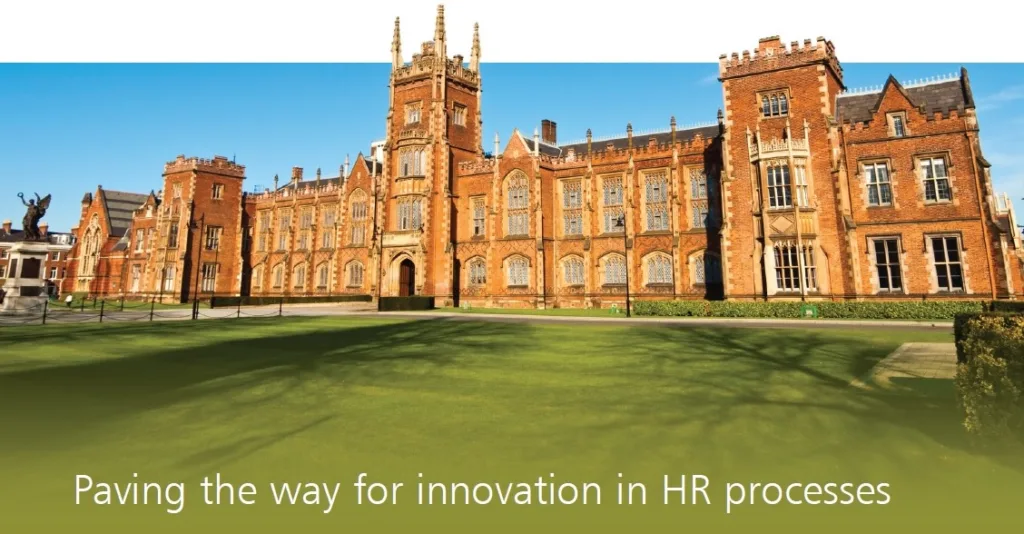
Some re-naming reflects the relatively rapid rise in strategic importance of the HR department. In the case of Queen’s University Belfast, it was the People and Culture Directorate that identified the need for digitisation in HR.
Setting naming conventions aside, this was a complex yet hugely enjoyable integration project that delivered profound results.”
The Need for Change: HR Digital Transformation
As part of its HR transformation project, Queen’s University Belfast’s People and Culture Directorate identified the need to digitalise personal files and streamline document handling processes. With over 15,000 job applicants each year, 700 new recruits annually, and around 4,200 staff members to support, the challenges of managing hard-copy files became overwhelming. The inefficiencies of physical document management, compounded by risks such as compliance issues and sustainability concerns, demanded a modern solution.
Glenn Campbell, Head of HR Services at Queen’s University Belfast, underscored the importance of the project: “With the growing challenges around legislative compliance in areas such as GDPR and UKVI, this project became not only a desire but a necessity.”
A Strategic Partnership: Document Logistix
To address these challenges, Queen’s University Belfast chose to partner with Document Logistix, a leading provider of document management solutions. Known for its flexibility and customer-centric approach, Document Logistix helped the university build a system tailored to its specific needs, integrating seamlessly with its HR management system, iTrent.
The solution involved digitising nearly one million pages of legacy and current paperwork, including pension documentation, and consolidating all records into Document Manager, a central repository. Digitisation not only facilitated easier access and retrieval of HR documents but also ensured compliance with key regulations.
Key Benefits of the Digital Solution
The digital document management solution brought numerous benefits to Queen’s University Belfast:
- Process Efficiency and Compliance
The implementation of Document Manager streamlined document workflows and eliminated the need for physical document handling between HR and other departments like Salaries and Pensions. Internal audits, such as those required for UKVI compliance, became significantly more efficient, with relevant documents now retrievable in seconds. - Security and Permissions
Sensitive HR documentation requires strict control over who can access it. Document Manager allowed the university to assign access permissions based on roles, ensuring that only authorised personnel could view or manage particular files. Permissions mitigated the risks associated with physical document storage and manual tracking systems. - Sustainability and Space Optimisation
Moving away from paper-based records helped Queen’s University Belfast align with its corporate sustainability goals. By eliminating the need for large storage systems, the university was able to repurpose office space previously occupied by physical document archives. “We’re putting in new break-out spaces and meeting places instead, which is great!” said Campbell, noting the unexpected space-saving benefits. - Centralised Control and Analytics
With all HR documents stored in a single digital location, users gained better control over records, reducing waste and enhancing decision-making. Document Manager’s user dashboard provided real-time insights into document processing, which helped the university analyse workflows using data analytics tools such as Power BI.
Driving Innovation in HR
By implementing a digital document management system, Queen’s University Belfast has paved the way for innovation in HR processes. The integration with iTrent, combined with automated document capture through various channels (e.g., scanners, mail merge, file share), significantly reduced errors and streamlined compliance reporting. Users can now manage and monitor workflows in real time, which ensures that key processes are followed while minimising the risk of costly errors during audits.
This transition has not only improved the university’s operational efficiency but also empowered its HR team to leverage technology for long-term strategic planning. The ability to access, analyse and act on HR data quickly through tools like Power BI has transformed what once seemed like a distant goal into a reality.
Conclusion: A New Standard in HR Records Management
Queen’s University Belfast’s journey toward digital records management serves as an example of how HR departments can benefit from embracing digital transformation. By partnering with Document Logistix, the university streamlined its HR documentation processes, enhanced compliance and improved sustainability. As more institutions recognise the value of digital solutions in managing sensitive records, Queen’s University Belfast’s success story will likely inspire similar projects across the education sector and beyond.
The case demonstrates that with the right technology partner and a clear vision, HR teams can achieve significant operational improvements, enhance the user experience and future-proof their processes in an increasingly digital world.
See innovation in HR processes in action >>>

Innovation in HR Processes: Checklist
- Digital Recruitment
Use AI-driven tools for candidate screening, sourcing and interviewing. - Onboarding Automation
Implement automated workflows for smoother new-hire integration. - Employee Engagement Platforms
Use platforms to gather real-time feedback and analyse engagement trends. - Learning and Development
Offer personalised, digital learning paths and track progress. - Data-Driven Decision-Making
Leverage HR analytics for informed talent management decisions. - Flexible Work Policies
Introduce hybrid and remote work options with digital collaboration tools. - Diversity and Inclusion
Employ tools to minimise bias in hiring and promote inclusivity. - Performance Management
Use continuous feedback platforms for real-time appraisals.