
Understanding the Importance of an Order Management System for Modern Businesses
In today’s fast-paced and highly competitive business environment, an efficient order management system (OMS) is no longer optional – it’s a necessity. Businesses of all sizes, from e-commerce startups to established retail giants, rely on OMS solutions to streamline their operations, enhance customer satisfaction and maximise profitability.
If you’re looking to understand the significance of implementing an OMS for your business, this guide will provide you with everything you need to know.
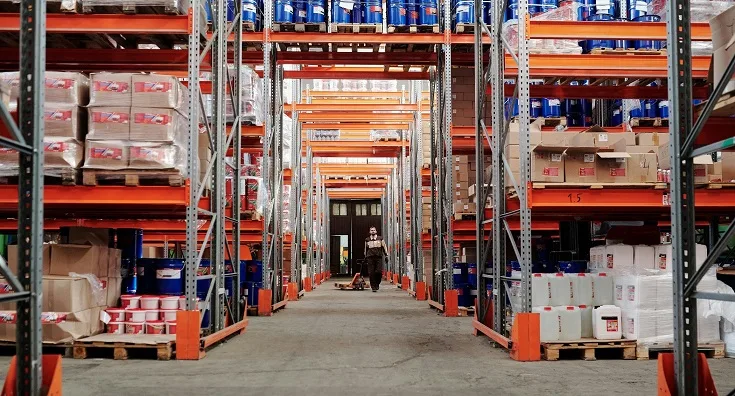
The order is at the heart of digital commerce. However, the technology organisations use to manage the order lifecycle varies a lot.
From commerce platforms and ERPs to customer service applications, sales portals and retail apps. Yet the fact is that once an organisation reaches a certain size, maturity or level of complexity, it quickly outgrows them the system deployed. Common systmn challenges include:
- Out of date / out of sync inventory availability owing to too multiple non-integrated systems, which results in cancelled orders and disgruntled customers.
- High delivery costs owing to inefficient order sourcing and routing.
- Long order processing times owing to too many manual and paper-based processes.
- Too many customer service calls owing to inefficient order processing or cancelled orders.
- Long order and dispute resolution times because service persobbel don’t have ready access centralised, to up-to-date information.
That’s why a dedicated order management system makes sense. An OMS ensures efficient business operations, from accurate inventory availability through rder lifecycle processing.
What is an Order Management System?
An order management system is a digital solution designed to manage and track the entire lifecycle of an order; from the moment a customer places the order to the final delivery. An OMS serves as the backbone of your fulfilment process, ensuring that inventory, shipping and customer data are seamlessly integrated across multiple channels.
An ONS and its tracking capabilities is especially crucial for businesses that operate in a multichannel or omnichannel environment, where orders can come from various platforms such as websites, marketplaces and physical stores.
Order Management System Advantages
One of the key advantages of an OMS is its ability to centralise data. By providing a single platform to manage orders, inventory levels and customer information, businesses can eliminate the inefficiencies caused by disconnected systems or manual processes.
For instance, if your business sells products both online and in-store, an OMS enables you to maintain real-time visibility into inventory levels across all locations. Stock level visibility prevents issues such as overselling or stockouts, which can negatively impact customer satisfaction and brand reputation.
Automation and Integration Benefits
Another critical aspect of an OMS is its automation capabilities. With features such as automatic order processing, payment verification and shipping updates, businesses can reduce human errors and save valuable time. Additionally, modern OMS platforms integrate with third-party tools such as shipping carriers, accounting software and customer relationship management (CRM) systems. Systems integration creates a seamless workflow that minimises delays and ensures orders are delivered on time.
Scalability for Growth
The scalability of an order management system makes it a valuable investment for growing businesses. As your company expands and the volume of orders increases, a robust OMS can handle the added complexity without compromising efficiency.
Scalability is particularly important for e-commerce businesses, where seasonal demand spikes or flash sales can lead to sudden surges in order volume. A reliable OMS ensures that your operations remain smooth, even during high-demand periods.
Essential Customer Experience
Customer experience is another area where an OMS plays a vital role.
Today’s consumers expect fast, accurate and transparent service when they shop online. An OMS enables businesses to provide real-time updates on order status, from confirmation to shipping and delivery.
Furthermore, by integrating with customer service tools, an OMS enables support teams to access order details quickly, making it easier to address any issues or inquiries. This level of transparency and responsiveness builds trust and encourages repeat purchases.
Order Management System Selection
When selecting an OMS, it’s essential to consider factors such as compatibility with your existing systems, ease of use and scalability.
Cloud-based solutions are often preferred for their flexibility and lower upfront costs, as they can be accessed from anywhere and easily upgraded as your needs evolve.
Additionally, look for an OMS that provides robust reporting and analytics features. Business insights can help you identify trends, optimise inventory management and make data-driven decisions to improve overall efficiency.
Investing in an order management system is a strategic decision that can transform your business operations. By centralising processes, automating tasks and enhancing customer satisfaction, an OMS not only saves time and reduces costs but also positions your business for long-term success.
As the demands of modern commerce continue to evolve, having a reliable OMS in place ensures that your business remains competitive, agile and ready to meet customer expectations.
If you have questions or would like to see an OMS in action, please get in touch
Conclusion
In conclusion, an order management system is a powerful tool for any business aiming to streamline operations and deliver exceptional customer experiences. Whether you’re a small business owner looking to scale or an established enterprise seeking to improve efficiency, implementing the right OMS can be a game-changer.
Don’t wait to optimise your order management processes – embrace the future of commerce with a robust and reliable system that works for you.
Advanced OMS: Technology
An advanced order management system is a sophisticated software solution designed to handle complex order processing workflows, providing seamless integration across multiple channels, platforms and systems. At its core, an advanced OMS leverages centralised databases and real-time synchronisation to track orders, inventory and customer information across all touchpoints.
One key technical aspect is multi-channel integration, enabling the OMS to aggregate orders from e-commerce platforms, marketplaces, brick-and-mortar stores and ERP systems into a unified interface. Integration eliminates data silos and ensures consistency across sales channels. Advanced OMS platforms also feature inventory management algorithms that provide real-time stock updates and allocate inventory dynamically to prevent overselling or stockouts.
Automation is another critical component, achieved through configurable workflows and rule-based engines. Features like automated order routing, payment verification and shipping label generation streamline operations and reduce manual errors.
Many OMS solutions employ API-driven architecture, enabling easy integration with third-party tools such as shipping carriers, payment gateways and accounting software.
Modern OMS platforms also rely on cloud computing for scalability and accessibility. Cloud-based systems ensure high availability and support elastic scaling to handle demand spikes. Additionally, data analytics and reporting modules provide actionable insights into order trends, inventory turnover and fulfilment efficiency, leveraging machine learning algorithms for predictive analytics and demand forecasting.
OMS: Security and Compliance
Finally, security is paramount, with advanced OMS solutions incorporating robust encryption, role-based access control and compliance with regulations such as GDPR or PCI-DSS to protect sensitive customer and business data. This technical foundation ensures reliability, agility and scalability in today’s fast-paced commerce landscape.

Order Tracking System: Case Reference
An order management system is a critical tool for businesses to streamline the process of receiving, tracking and fulfilling customer orders.
A case reference for an OMS implementation can be seen in a mid-sized e-commerce company that struggled with inventory discrepancies, delayed shipments and inefficient manual order processing.
The company integrated an OMS to automate order entry, synchronise inventory levels across multiple sales channels and improve order accuracy.
With real-time tracking and automated workflows, the system reduced fulfilment errors, enhanced customer satisfaction and optimised warehouse operations.
The OMS also provided analytics to identify purchasing trends to enable better stock management and demand forecasting. Additionally, integration with shipping carriers expedited delivery processes.
Post-implementation, the company saw a 30% improvement in order processing speed and a significant reduction in returns due to incorrect shipments.
This case highlights how an OMS can transform order handling efficiency and ensure seamless operations and customer satisfaction.