
A Complete Guide to GDPR Compliance Covering Instances When Documents Require Redaction
Fulfilling GDPR requirements using redaction (data masking) is a compliance function that not all people are familiar with. Hence we have put together this Guide to GDPR Compliance and Document Redaction.
Redaction can be achieved manually but is laborious, labour-intensive, inefficient, error prone and therefore costly.
As a software feature, redaction is useful when implemented in business and data protection strategies.
Redaction features can be implemented to comply with GDPR when sharing documents with third parties, and to protect sensitive information from staff using role-based permissions for accessing documents.
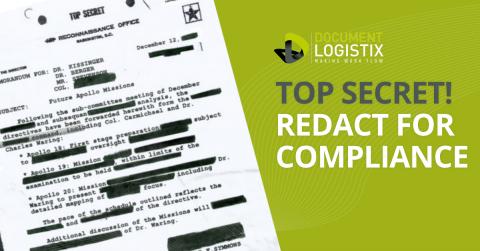
What is redaction? Redaction blocks sensitive information in a document by masking it, removing it or replacing it.
Overview of GDPR
The General Data Protection Regulation (GDPR) is a comprehensive data protection law enacted by the European Union (EU) in May 2018. It aims to enhance individuals’ control over their personal data and unify data protection laws across Europe. The UK version of GDPR is substantively the same as the EU GDPR and focuses on the protection of personally identifiable information and third party data.
Key Principles of GDPR
- Lawfulness, Fairness, and Transparency
Personal data must be processed lawfully, fairly, and transparently. - Purpose Limitation
Data should only be collected for specified, legitimate purposes and not further processed in a manner incompatible with those purposes. - Data Minimisation
Only data necessary for the intended purpose should be collected. - Accuracy
Personal data must be accurate and kept up to date. - Storage Limitation
Data should not be kept in a form which permits identification of data subjects for longer than necessary. - Integrity and Confidentiality
Personal data must be processed in a way that ensures appropriate security, including protection against unauthorised processing and accidental loss. - Accountability
Organisations must be able to demonstrate compliance with GDPR principles.
Key GDPR Terms
- Personal Data
Any information relating to an identified or identifiable person (data subject). - Data Subject
The individual whose personal data is processed. - Data Controller
The entity that determines the purposes and means of processing personal data. - Data Processor
The entity that processes personal data on behalf of the controller.
Steps to Achieve GDPR Compliance
- Data Audit
Conduct a comprehensive audit of all personal data processed by your organisation. Identify the type, purpose, source and storage location of data. - Legal Basis for Processing
Determine the legal basis for processing personal data (e.g., consent, contract, legal obligation, vital interests, public task, legitimate interests). - Privacy Policy Update
Review and update privacy policies to ensure they are transparent and comprehensive. Include information on data collection, processing, storage, rights of the data subjects and how to exercise those rights. - Data Subject Rights
Implement procedures to uphold data subject rights under GDPR, including:- Right to access
- Right to rectification
- Right to erasure (right to be forgotten)
- Right to restrict processing
- Right to data portability
- Right to object
- Data Protection Impact Assessments (DPIA)
Conduct DPIAs for high-risk processing activities to identify and mitigate risks. - Data Breach Response Plan
Establish and maintain a data breach response plan. Notify relevant authorities within 72 hours of a breach and communicate with affected data subjects if necessary. - Training and Awareness
Provide GDPR training to employees to ensure they understand data protection principles and their responsibilities. - Appointment of DPO
Depending on the size and nature of your organisation, appoint a Data Protection Officer (DPO) to oversee compliance.
What File Types can I Redact in Document Manager?
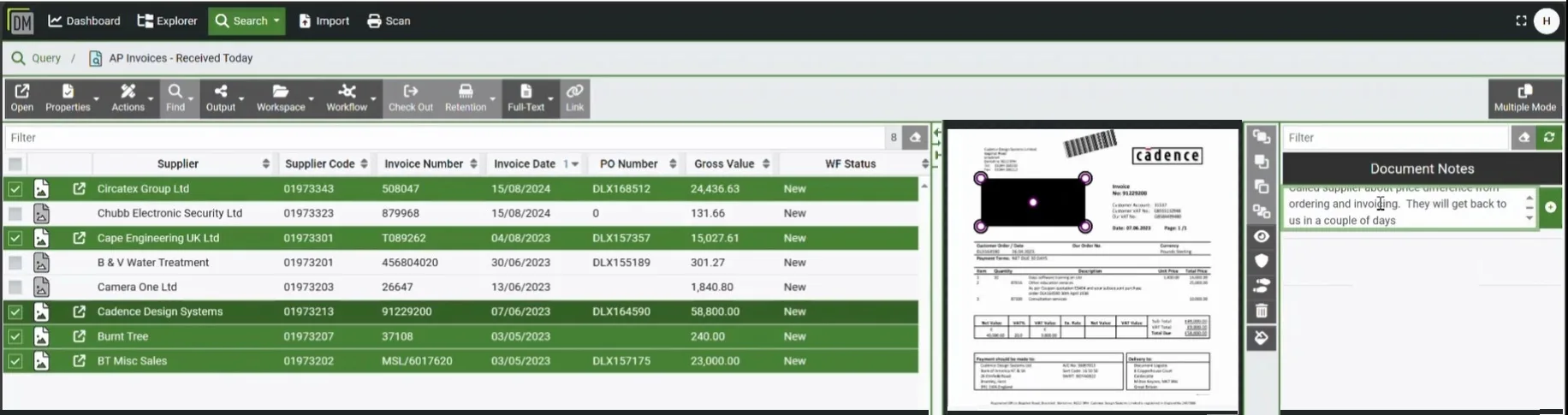
In Document Logistix’ Document Manager, you can redact standard Microsoft files such as Word docs and Excel spreadsheets, as well as Adobe PDF files and unstructured information held in Outlook and emails.
Automation and the use of AI to redact information is both efficient and effective. With the huge increase in data in organistions today, manual redaction using tools such as Adobe Acrobat is no longer an option.
You can also redact hidden data and metadata.
Document Manager protects confidential data and private information held in all file formats. Redacted text capabilities cover phone numbers, social security numbers, home addresses, form fields and specified words, to sensitive HR information and trade secrets .
Subject Access Requests Require Document Redaction
Document redaction is a crucial process when fulfilling subject access requests (SARs) under GDPR. SARs grant individuals the right to access their personal data held by organisations, allowing them to understand how their information is used. However, the redaction of sensitive information is vital to protect not only the requester’s privacy but also the privacy of others.
When organisations process SARs, they often handle documents containing third-party personal data, confidential business information or sensitive details that must not be disclosed. Failing to redact such information can lead to unauthorised access, resulting in potential data breaches, legal repercussions and loss of trust.
Furthermore, redaction ensures compliance with the principle of data minimisation, which states that only relevant information should be disclosed. Properly redacting documents helps organisations maintain control over the information they share, safeguarding sensitive data while still honouring the rights of individuals.
Effective document redaction when fulfilling subject access requests is essential for protecting privacy, ensuring compliance with GDPR and maintaining organisational integrity. Redaction demonstrates a commitment to data protection and helps mitigate the risks associated with data exposure.
Document Redaction for GDPR Compliance
Document redaction involves the process of editing a document to remove sensitive or confidential information before sharing or publishing it. Redaction is particularly important in GDPR compliance to protect personal data.
Key Steps in Document Redaction
- Identify Sensitive Information
Determine what constitutes sensitive information within your documents (e.g., names, addresses, identification numbers, financial information). - Use Redaction Tools
Use software tools designed for redaction that can effectively black out or remove sensitive data from documents. - Manual Review
Conduct a manual review of documents to ensure all sensitive data has been properly redacted. Automated tools may miss context-specific information. - Document Versioning
Keep versions of the original documents and the redacted versions for accountability and transparency. - Testing and Verification
After redaction, verify that no sensitive information is retrievable from the redacted document. This can include:- Checking metadata
- Ensuring no hidden text remains
- Train Staff
Educate employees on the importance of redaction and proper techniques for handling sensitive data. - Maintain a Redaction Log
Document all redactions made, including what information was redacted and the reasons for redaction.
Conclusion: Document Redaction for GDPR Compliance
GDPR compliance is an ongoing process that requires attention to detail and commitment from all levels of an organisation.
By understanding the principles of GDPR and implementing effective document redaction practices, organisations can protect personal data, respect individuals’ rights and minimise the risk of data breaches.
Resources for Further Reading
- GDPR Official Test: European Commission
- ICO Guide to GDPR: Information Commissioner’s Office
- Data Protection Impact Assessments (DPIAs):
ICO DPIA Guide
If you need any specific information or details about a particular aspect of GDPR document compliance or document redaction, feel free to ask!
Document Manager’s Built-in GDPR Compliance Features
- Encryption
- Permissions-based access
- Time-stamped audit trails
- Automated data retention and purge
- Document redaction tools to delete personally identifiable information and third party data
- Artificial intelligence to identify text and information fields in documents
Related GDPR Document Management Articles
Automated Data Retention and Purge
