
Guide to Electronic File Management: Best Practices and Tips
In today’s digital age, efficient electronic file management is crucial for businesses. With the increasing reliance on digital documents, it’s essential to have a system in place that ensures easy access, security and proper organisation of electronic files. In this guide, we explore the best practices for managing your electronic documents effectively, ensuring productivity and minimising frustration.
An electronic file can take the form of a standard business document such as an MS Word or Excel file, or an image or video asset, or unstructured information such as an email. Once digitised, any file can be managed in an electronic file management system, with capture, routing, compliance and retention policies embedded in the system.
Implementing an electronic file management system can play an important role in your digital transformation journey.
Watch Document Manager in action to gain more insight into how an advanced electronic file management system works.

Key Benefits of Implementing an Electronic Filing System
1. Improved Collaboration
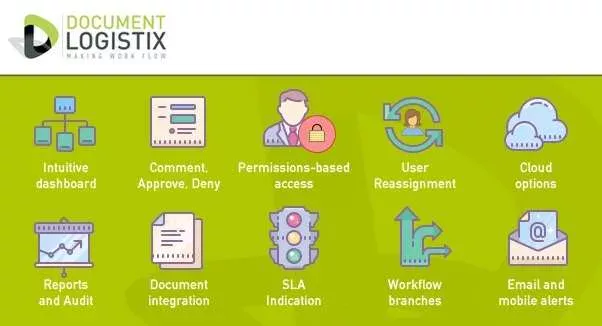
Eliminating paper documents generates a host of benefits, including document control the advantages of collaboration tools. With centralised storage and file sharing systems, team members and multiple users can collaborate seamlessly on documents in real time. Edits, comments, changes and approvals can be tracked in a centralised document repository to ensure that everyone is working on the latest version.
For knowledge workers, access to up-to-date files and information is essential, which is made possible when you centralise file storage and have a single source for accessing data.
2. Improved Security
With centralised digital storage in a secure location, your files are more secure than when using physical storage or multiple systems. Electronic storage facilitates disaster recovery in the event of natural disasters or hard drive failures, and guards against cyber threats, while built-in permission-based controls ensure that your information is safe from unauthorised access.
Granular access controls, encryption, redaction tools are all built-in to maintain data integrity in the system. At the same time, the ability you gain to manage files, generate full audit trails and automate data retention help to maintain regulatory compliance and industry standards.
Your management system can be developed to play a larger role in your enterprise document management strategy and become a mainspring for document-centric business processes.
3. Reduced Costs
An electronic file management system eliminates the need for physical storage (like filing cabinets and paper), which reduces overhead costs. The ability to apply file naming conventions, index and store files accurately, using a combination of optical character recognition and AI, eliminates the high costs and inefficiency of a conventional sorting office. Cloud-based, on-premises and SaaS options are all cost-effective file management solutions.
4. Eco-Friendly
By reducing paper usage, electronic file management contributes to a more sustainable and eco-friendly business environment.
5. Scalability
Electronic storage opens up new possibilities compared to storage like filing cabinets, including instant document retrieval. Plus, electronic file management systems are highly scalable, allowing businesses to store an ever-increasing number of files without worrying about physical storage space constraints.
6. Control vs Storage
While popular free file storage and and file sharing platforms such as Onedrive, DropBox, SharePoint and Google Drive offer convenience, you will notice the enhanced operating system, security and version control measures gained with a specifically designed, dedicated electronic file management system.
File Management Challenges using an Electronic Filing System
Despite its many measurable benefits, there are some challenges associated with electronic file management. Choose an electronic filing system that enables you to control and manage:
Data Security Risks
Without proper safeguards, digital files are vulnerable to hacking, malware and unauthorised access.
Select a system that is penetration tested and has multiple security features.
Technology Dependence
A technical issue or system failure could disrupt access to important files if proper backup systems aren’t in place.
Select a system that is designed with business continuity in mind.
Overwhelm from Too Many Tools
Using multiple storage solutions without integration can lead to confusion and difficulty in file retrieval.
Select a user-friendly system that integrates with your current systems to ensure positive user adoption and maximise business efficiency.
Conclusion: EFM
Effective electronic file management is essential for modern businesses to remain organised, efficient and secure, especially by eliminating any reliance on paper documents..
By implementing the best practices outlined in this guide – such as developing a consistent naming system, backing up data regularly, and centralising files – managing digital files can become a seamless and productive part of your daily routine.
Adopting a well-structured electronic file management system will not only save time but also enhance collaboration, reduce costs and protect important data from loss or unauthorised access.
Extended benefits include measurable cost efficiencies and a platform that leads to much better decision making.
Now is the perfect time to revamp your digital filing system and boost your efficiency.
If you have questions about electronic file management software or would like to see an electronic filing system in action, please feel free to get in touch.

Introduce electronic file management to speed up and streamline administrative process. Eliminate manual data entry and tasks associated with physical documents, time spent and wasted looking for files, version control issues and associated errors.
Electronic file management is simple to set-up, enjoys excellent user adoption, and provides enhanced management control.
This digital management solution is a frequent stepping stone in implementing digital transformation strategies and can be boosted to be part of a full workflow automation project.
Check out our Complete Guide to Digital Document Management