
Purchase Requisition and Order Management System
In today’s fast-paced business environment, efficient procurement processes are essential for cost management and operational productivity. Two key processes in procurement – purchase requisitions and order management – play a vital role in streamlining supply chain workflows and ensuring timely access to resources. Purchase Requisition/Order management is the process of handling purchase requests within an organisation, from creation to tracking. The goal is to ensure that requests align with the company’s policies and budget, and to prevent fraud and unnecessary spending.
This article explores these crucial steps in the procurement process, best practices, tools for effective management and the value they add to business operations.
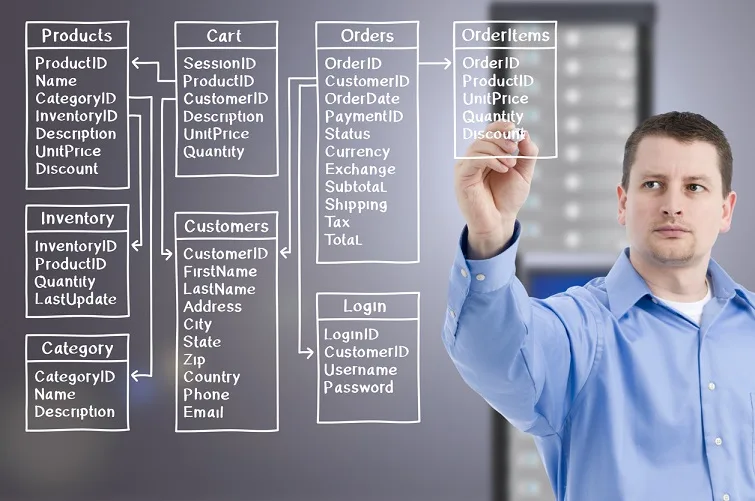
What is a Purchase Requisition?
A purchase requisition is an internal document that employees use to request materials, products or services. When an employee identifies a need within the organisation, they fill out a purchase requisition form, which is then submitted to the purchasing department for review and approval.
Purpose of a Purchase Requisition
- Approval Workflow
A purchase requisition sets off an internal workflow for approval, ensuring that spending is regulated and in line with the organisation’s budget. - Authorisation
A purchase requisition provides authorisation to the purchasing team to proceed with acquiring the requested items. - Budget Tracking
Requisition documents serve as a record for budget tracking and future audits, enabling accurate financial reporting.
Key Elements of a Purchase Requisition
- Requester Information
The name and department of the person making the request. - Item Details
A clear description of items, quantity and specifications. - Justification
A rationale explaining why the purchase is necessary. - Approval Chain
Designated approvers (often supervisors or department heads) need to sign off before the requisition moves to the next stage. - Timeline
Expected time frame for the purchase.
What is Order Management?
Order management is the end-to-end process of tracking, processing and fulfilling purchase orders (POs) from creation to delivery and payment. Once a purchase requisition is approved, the purchasing team creates a PO and sends it to a vendor to start the procurement process. The PO outlines order specifics, terms and conditions, as well as payment details, providing a contractual document for both parties.
Key Components of Order Management
- Order Creation
Converting the approved requisition into an official purchase order. - Order Tracking
Monitoring the status of the order through every stage – approval, shipping, receiving and invoicing. - Order Fulfilment
Ensuring that the ordered items are delivered correctly and on time. - Payment Processing
Matching invoices with orders to approve and process payments accurately. - Record Keeping
Documenting the order lifecycle for financial reporting, audits and future reference.
Benefits of Effective Purchase Requisition and Order Management
A streamlined purchase requisition and order management process offers numerous advantages, such as:
- Cost Control
Proper approval workflows prevent unauthorised spending and help keep procurement within budget. - Transparency
Centralised order records provide clarity on spending and help to avoid duplication. - Efficient Resource Allocation
By accurately tracking requests and purchases, organisations can allocate resources effectively. - Improved Supplier Relationships
Efficient order management ensures timely payments and order accuracy, strengthening relationships with suppliers. - Data-Driven Decisions
Insights from purchase data support better forecasting, budgeting and negotiation strategies.
Best Practices for Purchase Requisition and Order Management
- Automate Approval Workflows
Leverage software solutions to streamline approval processes and avoid manual bottlenecks. - Implement Centralised Procurement Software
A unified software solution can handle purchase requisitions, POs and tracking all in one place. - Standardise Documentation
Create standardised forms and templates for purchase requisitions and orders to ensure consistent information. - Set Clear Policies and Training
Ensure all employees understand the requisition and order management process. - Use Data for Continuous Improvement
Regularly analyse procurement data to identify trends, optimise spending and improve vendor negotiations. - Build Compliance Measures into Procurement Management
Choose a digital management solution that uses encryption and has built-in compliance measures such as access controls, audit trails and automated data retention and deletion functions to comply with strict standards such as GDPR.
Purchase Requisition vs Purchase Order: Key Differences
Though they sound similar, purchase requisitions and purchase orders serve different functions:
| Aspect | Purchase Requisition | Purchase Order |
| Purpose | Internal request for approval to make a purchase | External document to a vendor confirming a purchase |
| Initiated By | Employees or departments needing materials | Purchasing team after requisition approval |
| Approval Process | Requires internal approval before converting to PO | Acts as a contract with the vendor, requiring no further approvals |
| Role in Procurement | Starts the procurement process | Finalises the procurement process and initiates fulfilment |
| Legal Binding | Not legally binding | Legally binding agreement with the vendor |
Tools for Managing Purchase Requisition and Order Management
A wide range of software solutions is available for procurement management, often as part of larger Enterprise Resource Planning (ERP) systems. Our own Document Manager enables organisations to raise, workflow, automate, track and manage the full procurement life-cycle.
See fully digital procurement processes in action >>>
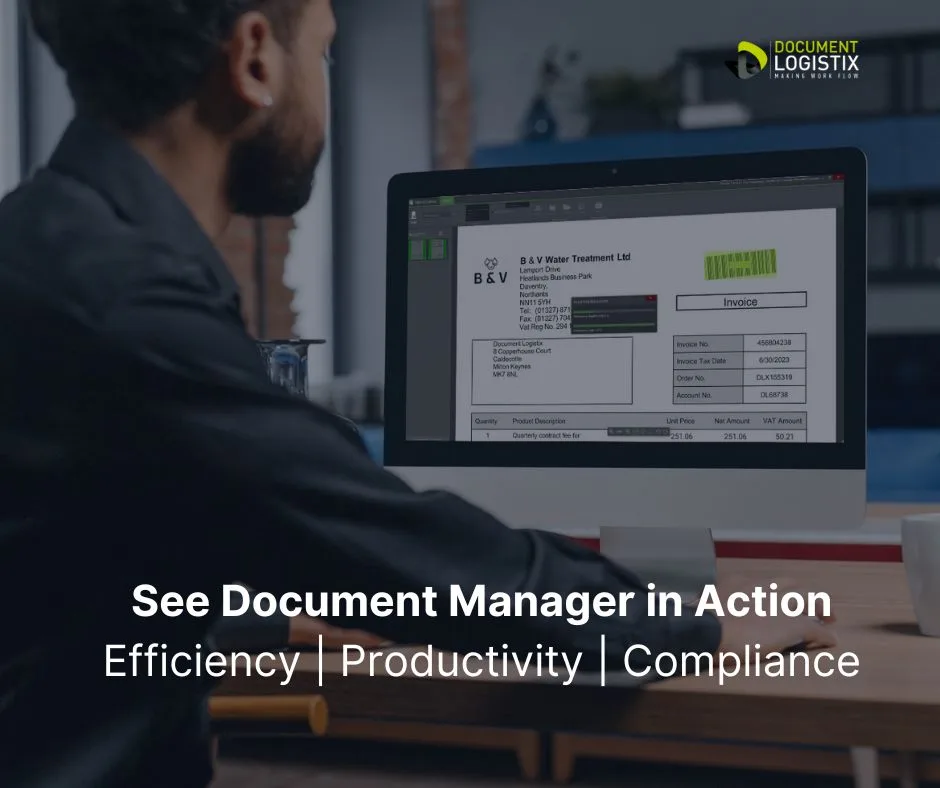
Document Manager supports requisition creation, automates approval workflows, and provides PO tracking and vendor management features, which makes them invaluable assets for companies aiming to optimise procurement. Document Manager integrates with all your other business systems including Accounts and ERP.
Key Challenges in Purchase Requisition and Order Management
Despite the benefits, companies often face several challenges in optimising requisition and order processes:
- Manual Errors
Errors in manual data entry can lead to costly mistakes in requisitions and orders. - Approval Delays
Slow approval processes can cause delays in order fulfilment. - Vendor Miscommunications
Misunderstandings about order specifications can result in wrong or late deliveries. - Lack of Visibility
Inadequate tracking of requisitions and orders can cause lost requests and reduce process transparency. - Ineffective Spend Management
Without an organised procurement system, companies struggle to track spending accurately, which can lead to budget overruns.
To tackle these challenges, it’s essential to implement standardised procedures and invest in reliable procurement software.
Document Manager enables organisations to automate processes to eliminate manual errors, provides a workflow dashboard for visibility, and has built-in access and compliance measures, including encryption.
Final Thoughts on Optimising Purchase Requisition and Order Management
Efficient purchase requisition and order management are crucial for any organisation looking to maintain budget control, ensure timely procurement and foster strong supplier relationships. By automating processes, standardising workflows and using data analytics, businesses can streamline procurement and better allocate resources.
Implementing the right tools and practices in your procurement strategy can turn these functions into powerful levers for cost savings and operational efficiency.
FAQs
1. What is a purchase requisition?
A purchase requisition is an internal request to procure materials or services, requiring approval before it’s converted to a purchase order.
2. How does order management benefit an organisation?
Order management ensures timely, accurate order fulfilment, which fosters strong supplier relationships and controlling procurement costs.
3. What’s the difference between a purchase requisition and a purchase order?
A purchase requisition is an internal request, while a purchase order is an external document confirming the purchase with a vendor.
4. Which software is best for managing purchase requisitions?
Popular solutions include SAP Ariba, Oracle Procurement Cloud, and Coupa, each offering extensive procurement management features.
Optimising purchase requisition and order management is essential for any company aiming to improve procurement efficiency and strategic spending. By following best practices and using specialised tools, businesses can simplify the purchasing process, cut down on unnecessary expenses and ensure timely access to critical resources.