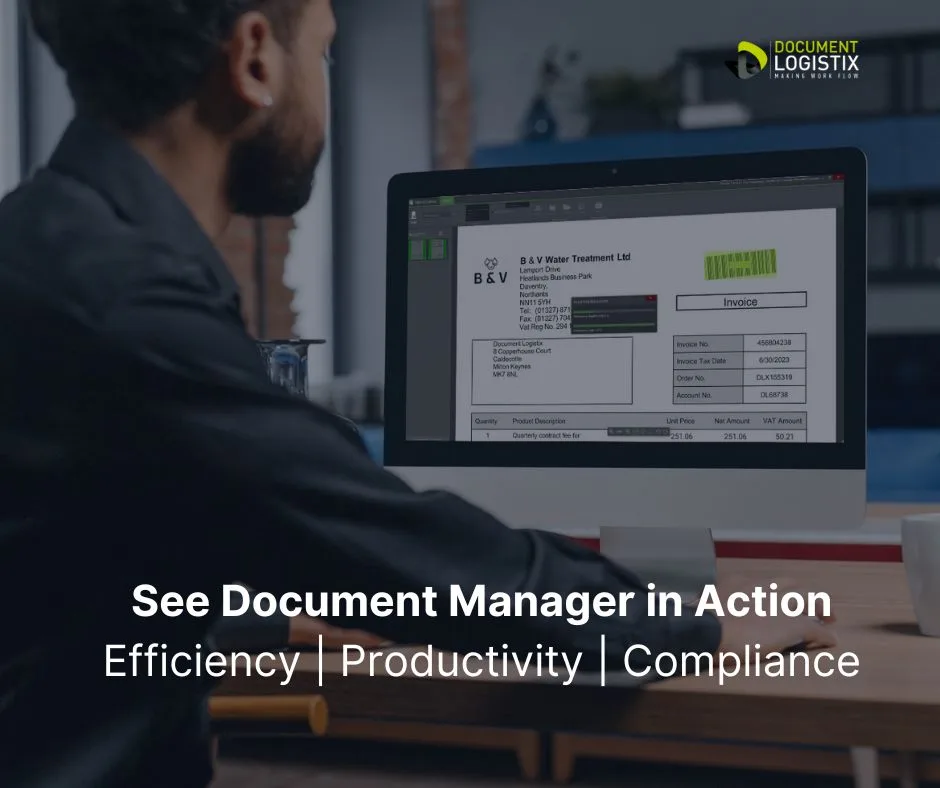
Improving Business Administration Through Digital Document Management: A Case Study Approach
In today’s fast-paced business environment, the need for efficiency, accuracy, and accessibility is more critical than ever. One key area of improvement for businesses of all sizes is digital document management. Efficient document handling and data storage have moved from being a back-office necessity to a strategic tool for enhancing administrative efficiency, compliance and collaboration. This article explores how organisations can enhance their business administration through digital document management, with a reference case study highlighting its real-world impact.

The Importance of Digital Document Management
Digital document management involves the electronic creation, storage, organisation, sharing and archiving of documents. Unlike traditional paper-based processes, digital document management allows businesses to streamline workflows, improve data retrieval and ensure higher levels of security. It serves as a foundation for improving overall business administration by:
- Increasing Operational Efficiency
Digital documents can be accessed instantly from anywhere, speeding up decision-making and administrative tasks. - Enhancing Collaboration
Teams can share and edit documents in real time, ensuring smoother collaboration across departments or even geographic locations. - Ensuring Compliance
With regulatory requirements such as GDPR becoming stricter, businesses need secure, traceable document management systems to ensure they meet legal standards. - Reducing Costs
Physical storage of documents requires space and resources, while digital storage reduces these costs significantly. - Improving Data Security
Digital solutions provide encryption, access control and audit trails, which are far more secure than traditional file cabinets.
Key Components of an Effective Digital Document Management System (DMS)
For a digital document management strategy to succeed, certain core features must be present:
- Document Scanning and Digitisation
Converting physical documents into digital formats is the first step. Optical character recognition (OCR) tools can be used to make scanned documents searchable. - Centralised Storage
A cloud-based or on-premise centralised repository allows employees to access the latest versions of documents securely. - Access Control and Permissions
Not everyone in an organisation should have access to all documents. A DMS should have customisable access permissions to maintain confidentiality and prevent unauthorised access. - Version Control
Version control ensures that everyone is working with the most recent document, avoiding confusion and errors caused by outdated information. - Automated Workflows
Automating document routing and approval processes reduces manual intervention, increases transparency and accelerates workflows. - Audit Trails and Compliance Monitoring
Modern document management systems track changes, enabling businesses to maintain detailed records for compliance purposes.
Case Study: Improving Business Administration Through Digital Document Management
Company Background
Consider a company facing growing administrative challenges as it expands and works across multiple sites. The traditional paper-based document management system they relied on was becoming a significant bottleneck. Employees often struggled to find crucial documents, approvals were delayed and compliance requirements were becoming harder to track. With more than 100 employees handling contracts, proposals and project documents across three office locations, the inefficiencies were starting to impact customer satisfaction and project deadlines.
Challenges Faced by a Company with Non-digital Administration
- Document Mismanagement
Employees often wasted time searching for documents or dealing with duplicates. - Lack of Remote Access
With teams increasingly working remotely, accessing physical documents or network drives became difficult. - Inefficient Approval Process
Document approval was slow owing to manual routing, leading to project delays. - Compliance Risks
The company struggled to comply with data security standards as their manual system lacked auditability and control.
Solution: Implementation of a Digital Document Management System
The company decided to adopt a cloud-based DMS to address these issues. The company implemented a solution with the following features:
- Cloud Storage and Remote Access
Documents were scanned and stored on a cloud platform, enabling employees to access them from any location, which improved collaboration across regional offices and remote teams. - Automated Workflows
Approval processes were automated using digital workflows. Project managers could now route proposals and contracts to stakeholders in real time, eliminating bottlenecks. - Version Control and Audit Trails
The system tracked all edits, ensuring that teams were working on the latest version of each document. Audit trails provided a transparent log of changes and approvals, reducing compliance risks. - Enhanced Security
The company could set access permissions based on user roles, ensuring that sensitive information was only available to authorised personnel. Encryption and secure file transfer protocols ensured compliance with data protection laws.
Results with DMS
After implementing the digital document management system, the company saw immediate improvements:
- Operational Efficiency
Employee productivity increased by 25%, as documents were now readily available, and approval times were cut by half. - Improved Collaboration
The remote teams reported fewer delays and faster access to project documents, resulting in more efficient project turnaround times. - Cost Savings
The company reduced physical storage costs by 40% and cut down on printing and paper-related expenses. - Compliance
The enhanced audit trails and security features enabled the company to meet industry compliance standards effortlessly, preventing potential fines, data breaches, business disruption and reputational damage.
Best Practices for Digital Document Management
For businesses looking to replicate the company’s case reference success, here are some best practices to consider:
- Evaluate Your Needs
Before implementing a DMS, evaluate your business needs and identify the pain points in your current document management process. - Choose the Right DMS
There are many options in the market. Choose a solution that aligns with your organisation’s size, industry and compliance requirements. - Train Employees
A well-designed DMS is only as good as its users. Provide comprehensive training to ensure employees understand how to use the system effectively. - Start with Key Processes
To avoid overwhelming your organisation, begin by digitising the most critical business processes (e.g., finance, HR or legal) and expand from there. - Monitor and Improve
Continuously monitor the performance of your DMS and gather feedback from employees to make necessary adjustments and improvements.
Conclusion: Improving Business Administration
Digital document management is not just about eliminating paper – it’s about transforming the way businesses handle information. As demonstrated in this case reference, a well-implemented DMS can lead to significant improvements in operational efficiency, compliance and cost savings. For businesses looking to stay competitive and agile in the digital age, investing in digital document management is a key step toward improving business administration.
By leveraging the right technology and strategic approach, organisations can reduce administrative burdens, increase productivity and position themselves for future growth.
See Digital Document Management in Action >>> >>> >>> >>>