
 Why Businesses Resist Digital Processes and Automation – and the Opportunities They Miss
In an increasingly digital world, businesses still resist moving away from traditional, paper-based processes and hybrid systems to automated digital workflows. For many companies, the shift to digital feels challenging, whether owing to perceived costs, employee resistance or fears about security and compliance.
But perceived barriers to digitisation and workflow automation often lead organisations to overlook significant gains in business efficiency, productivity, security and regulatory compliance. Understanding the reasons for resistance to automation – and the advantages missed by sticking to traditional operations – highlights why transitioning to digital processes is essential for long-term success.
What are Digital Workflows?
Digital workflows are the processes by which tasks, information and documents move through various steps in an organisation using digital tools. Digital workflows streamline operations by digitising and organising information so it can be accessed, shared and managed efficiently across teams. Automated workflows are a subset of digital workflows that go a step further by using technology to perform specific tasks or actions without manual intervention. By leveraging software like workflow automation platforms, tasks like approvals, notifications and data entry are automatically triggered based on predefined conditions or events.
In this article, discover why businesses resist digital workflows and automation and the productivity, security and compliance benefits they miss by sticking to traditional paper-based and hybrid processes.
Why Do Businesses Resist Digital Processes?
The reluctance to embrace digital workflows – or commit to digital transformation – often stems from misconceptions or fear of the unknown. Here’s a closer look at some of the main reasons businesses resist digital transformation.
1. Perception of High Costs and Complexity
A primary reason that businesses resist digital workflows is the belief that implementing digital processes requires a heavy financial investment and time-consuming setup. Many businesses assume that the costs of new software, hardware and employee training will strain budgets and disrupt their day-to-day operations. Small and medium-sized enterprises (SMEs) are especially prone to this misconception, often viewing digital transformation as a luxury rather than a necessity.
2. Employee Hesitancy and Change Aversion
Change can be uncomfortable, and employees who are accustomed to established workflows may view digital processes as disruptive. Employees often fear that digital workflows will make their jobs harder, require significant training or lead to changes in job roles. Resistance to change can stall digital adoption, especially if leadership lacks a clear strategy to help employees understand and embrace the new processes.
3. Concerns About Data Security
While digital solutions are often more secure than physical documents, many organisations worry about the security risks of moving to digital storage. Concerns over data breaches, unauthorised access and potential cyberattacks can cause businesses to hold back from implementing digital workflows. For businesses unfamiliar with cybersecurity best practices, the transition to digital storage and cloud-based solutions may feel risky.
4. Compliance Worries
In highly regulated industries, compliance is paramount, and some businesses feel more comfortable managing compliance with paper records and manual processes. This often stems from the mistaken belief that physical records are easier to control and safeguard. Some organisations may not be fully aware that digital workflows can actually simplify compliance with regulations like GDPR, HIPAA and SOX by offering more control and visibility.
5. Lack of Awareness of Digital Benefits
For some organisations, the resistance to digital workflows comes down to a lack of understanding of the benefits and lack of awereness about scaled installation options. Businesses that rely on paper and manual processes may feel their current system is sufficient and not recognise the advantages that digital transformation could bring. Without a clear picture of the potential productivity, security and compliance improvements, companies are less likely to make the change.
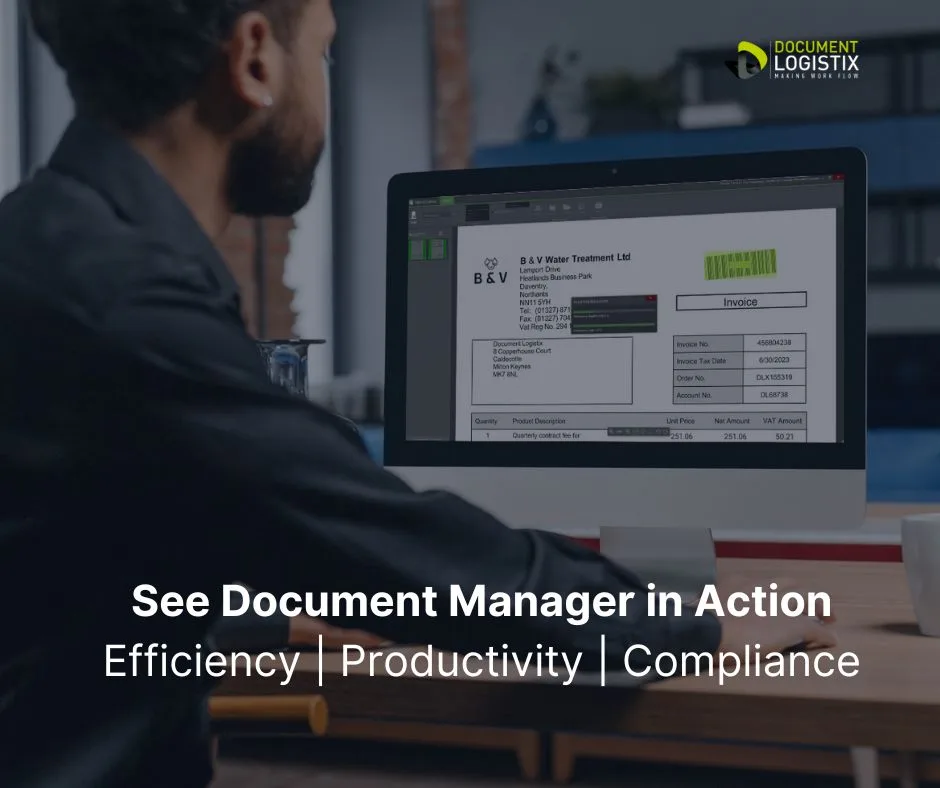
See the benefits of digital workflows in action >>>
Productivity Benefits Businesses Miss by Avoiding Digital Processes
The potential productivity benefits of digital workflows are extensive and can outweigh any initial setup costs. Here’s what businesses stand to gain when they go digital:
1. Streamlined Access and Collaboration
With digital workflows, employees can access files from anywhere with an internet connection, a valuable asset for field workers, hybrid and remote work environments. Documents no longer need to be manually retrieved or mailed; they are instantly accessible to all authorised users, making decision-making faster and collaboration seamless. When employees spend less time searching for information, they can focus on core responsibilities that add more value.
2. Automated Routine Tasks
Digital processes automate many repetitive tasks, from data entry to approvals and document routing. Automation saves time and reduces the risk of human error. Employees are freed from mundane administrative tasks, allowing them to focus on high-impact work. By reducing the risk of errors and delays, automated workflows boost overall efficiency and ensure timely project completion.
3. Enhanced Search Capabilities
Digital systems provide powerful search functionalities that allow employees to find documents quickly using keywords, tags or other metadata. This streamlined retrieval saves employees from wading through filing cabinets or complex folder structures. The time saved in finding documents translates to direct productivity gains, as employees can access the information they need instantly.
4. Reduced Physical Storage Requirements
Digital processes eliminate the need for physical storage space, such as filing cabinets and storage rooms. This not only frees up valuable office space but also reduces the resources required to manage and maintain paper records. Cloud storage is scalable, meaning it can grow with the business without taking up additional physical space, making it a cost-effective and flexible solution.
Security Benefits of Digital Workflows
The fear of security risks often deters organisations from going digital. However, digital systems can offer security advantages that paper-based methods simply can’t match:
1. Role-Based Access and Permission Controls
Digital workflows allow administrators to set user-specific permissions, limiting access to sensitive information and protecting data from unauthorised access. This level of access control is challenging with paper documents, which can be mishandled or misplaced. Digital permissions ensure that only authorised personnel can view, edit or share specific files.
2. Data Encryption and Backup Systems
Digital platforms use encryption to secure data during transmission and storage, which safeguards information against unauthorised access. Additionally, automatic backup features mean data is regularly saved and can be quickly recovered in the event of an accidental deletion, natural disaster or technical failure. This backup capability provides a layer of data security that physical records cannot replicate.
3. Activity Monitoring and Audit Trails
Digital systems include audit trail features, which track document access, edits and other user actions. This monitoring capability enhances security by providing visibility into who has accessed or modified documents and when. This audit trail is valuable for both security purposes and compliance, as it allows companies to identify any potential unauthorised access or data misuse.
4. Protection Against Physical Damage and Loss
Physical records are vulnerable to fires, floods and other disasters, while digital files stored in the cloud are safe from physical damage. This secure storage prevents the risk of irrecoverable loss and ensures that data can be accessed remotely, even if the primary office is affected by a disaster. Digital storage provides a level of protection that is essential for business continuity.
Compliance Benefits of Digital Processes
Digital workflows can also make it easier for businesses to maintain compliance with industry regulations. Here’s how digital solutions support regulatory adherence:
1. Built-In Compliance Features
Many digital platforms are built with compliance in mind, offering features that help businesses meet requirements for data privacy, security and retention. Features like automated document retention, encryption, redaction and version control simplify compliance with complex regulations, making it easier to stay within legal standards without cumbersome manual processes.
2. Automated Compliance Reporting
Digital workflows make compliance reporting straightforward. Automated reporting features generate documentation needed for audits, simplifying the process of demonstrating compliance. Automated reports reduce the risk of errors and help businesses avoid non-compliance penalties that can result from inaccurate or incomplete reporting.
3. Improved Document Version Control
In a digital system, version control ensures that all employees work with the latest documents, which minimises errors that could lead to compliance violations. This version control capability is valuable in regulated industries, where accuracy and data integrity are essential. Businesses can avoid the risks associated with outdated versions and guarantee that all files reflect the most current information.
4. Automated Retention Policies
Digital solutions enable companies to set automated retention and disposal policies for documents. Retention features help businesses stay compliant with regulations that require certain documents to be kept for a specific time period and then securely disposed of. Automated retention reduces the risk of unintentional document disposal or data retention that violates industry regulations.
Conclusion: Break Down Resistance to Digital Workflows
Although many businesses are reluctant to embrace digital workflows, the benefits of doing so are substantial. Productivity improvements, enhanced security and simplified compliance are just a few of the advantages of going digital. Organisations that continue to rely on traditional processes may save on initial costs but miss out on significant, long-term gains in efficiency, security, and compliance.
By moving to digital workflows, businesses can remain competitive, adapt to modern demands and build a resilient and scalable foundation for future growth.
For any organisation still relying on manual processes, the transition to digital workflows is not just beneficial – it’s a necessity for staying relevant and secure in today’s business environment.
Document Management Software
At Document Logistix, we are aware why businesses resist digital workflows and automation. We are here to guide you through the steps for successful digital transformation and staged-implementation options that ensure a predictable return on investment and assured user adoption.
We will work with you to deploy a document management solution that exactly matches your business needs and budgets. The first step could be to book an informative session in which we can get to know each other better and demonstrate our award-winning document management software.